Washington's First Income Tax in 90 Years: The Millionaire ...
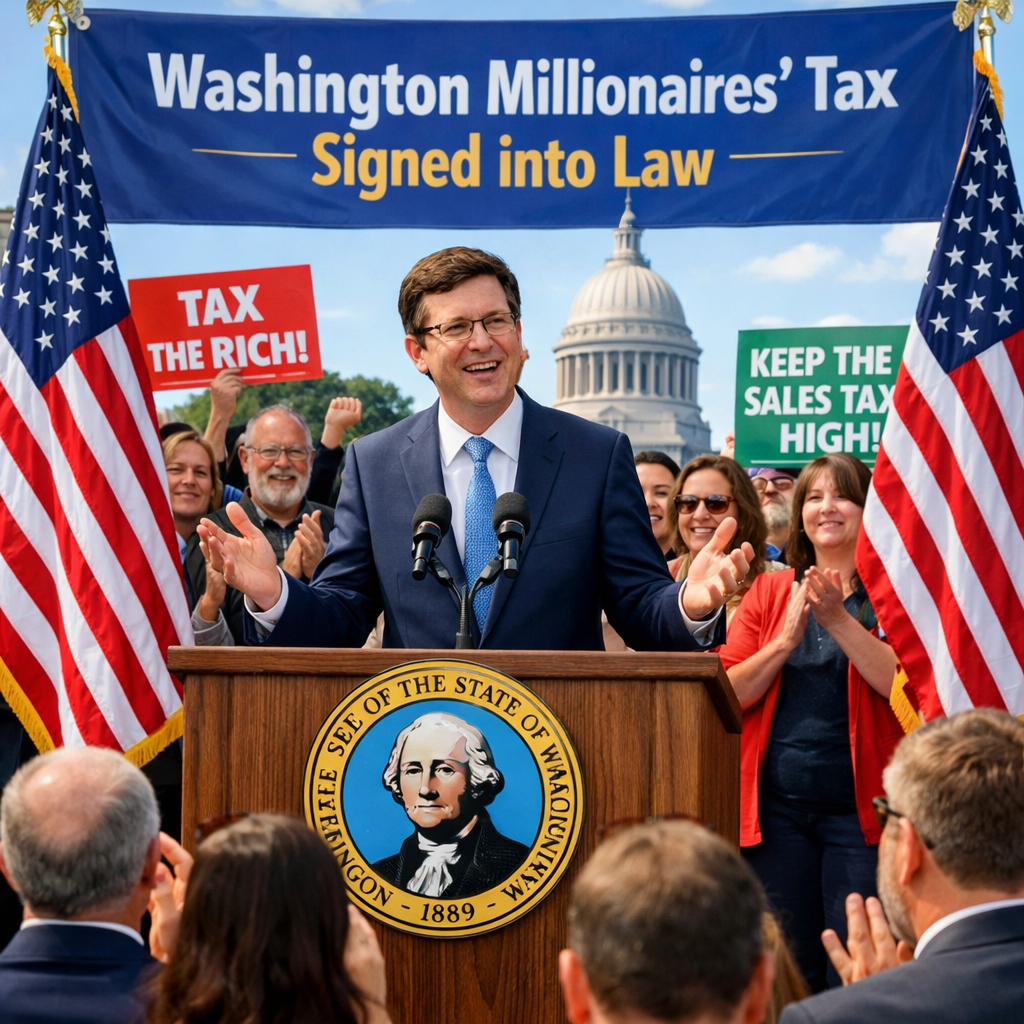
By Brian Gass, Executive Director, Real Housing Reform Initiative On March 30, 2026, Governor Bob Ferguson signed Senate Bill 6346 into law, creating Washington State's first ...
Understanding Washington State Taxes
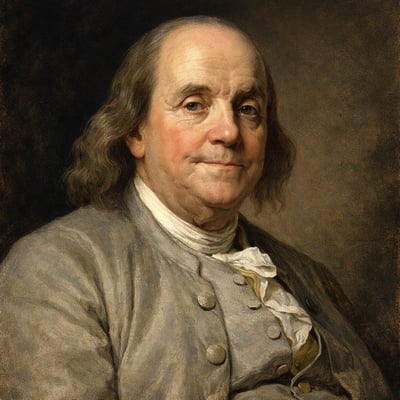
"In this world, nothing is certain except death and taxes." — Benjamin Franklin
Washington is one of nine states with no income tax. Instead, the state constitution requires a balanced budget funded through:
This structure makes Washington's tax system one of the most regressive in the nation, with lower-income households paying a higher percentage of their income in taxes than wealthy households. The system is also highly fragmented — your property tax bill alone may fund 10+ different government entities.

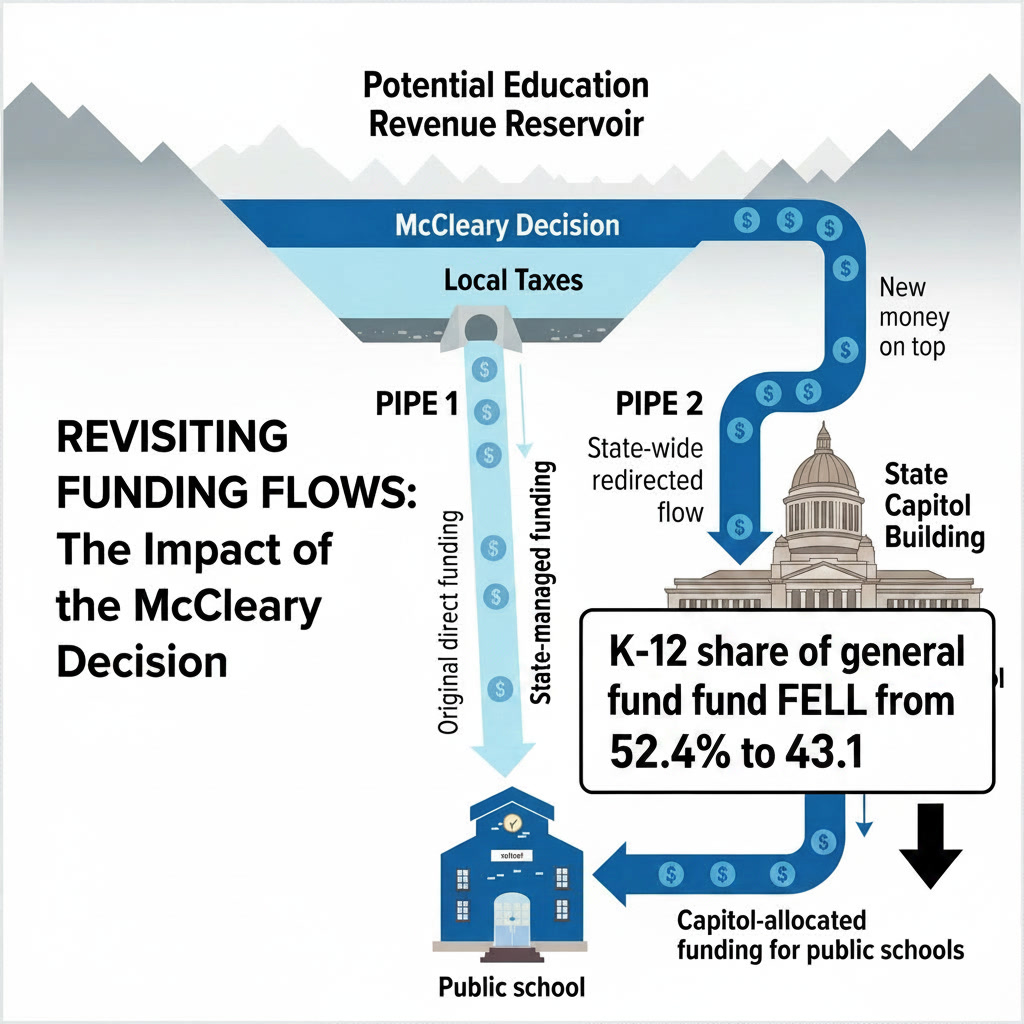
Sources: U.S. Census Bureau (median household income, population) and Bureau of Economic Analysis (total personal income) via FRED, Federal Reserve Bank of St. Louis; Washington Office of Financial Management (state revenue). Policy annotations: McCleary v. State 2012; HB 2242 (2017 levy swap); South Dakota v. Wayfair 2018 (online sales tax capture); B&O advanced computing surcharge 2020. All series indexed to 1985 = 100.
Levies on real estate value fund schools, roads, fire districts, libraries, parks, and more. Washington's property tax system includes state and local levies, with voter-approved bonds and levies adding to base rates.
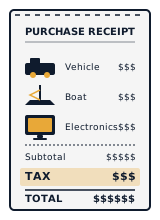
Combined state and local sales tax rates range from 7% to 10.6% depending on location. Use tax applies to items purchased out-of-state or online when sales tax wasn't collected.
Cities levy taxes on electricity, natural gas, telephone service, cable TV, water, sewer, and garbage collection. Rates vary by jurisdiction and utility type.
Washington collects excise taxes on real estate sales, motor vehicle sales, fuel, cannabis, spirits, tobacco, and more. These taxes are often earmarked for specific purposes.
State and local governments tax landline, wireless, and VoIP telephone services. Federal USF charges also appear on phone bills.
Washington's Business and Occupation tax is calculated on gross receipts rather than net income, with rates varying by business classification.
Total Tax Revenue
Increase in State revenue since 1980
Population growth since 1980
By Brian Gass, Executive Director, Real Housing Reform Initiative On March 30, 2026, Governor Bob Ferguson signed Senate Bill 6346 into law, creating Washington State's first ...
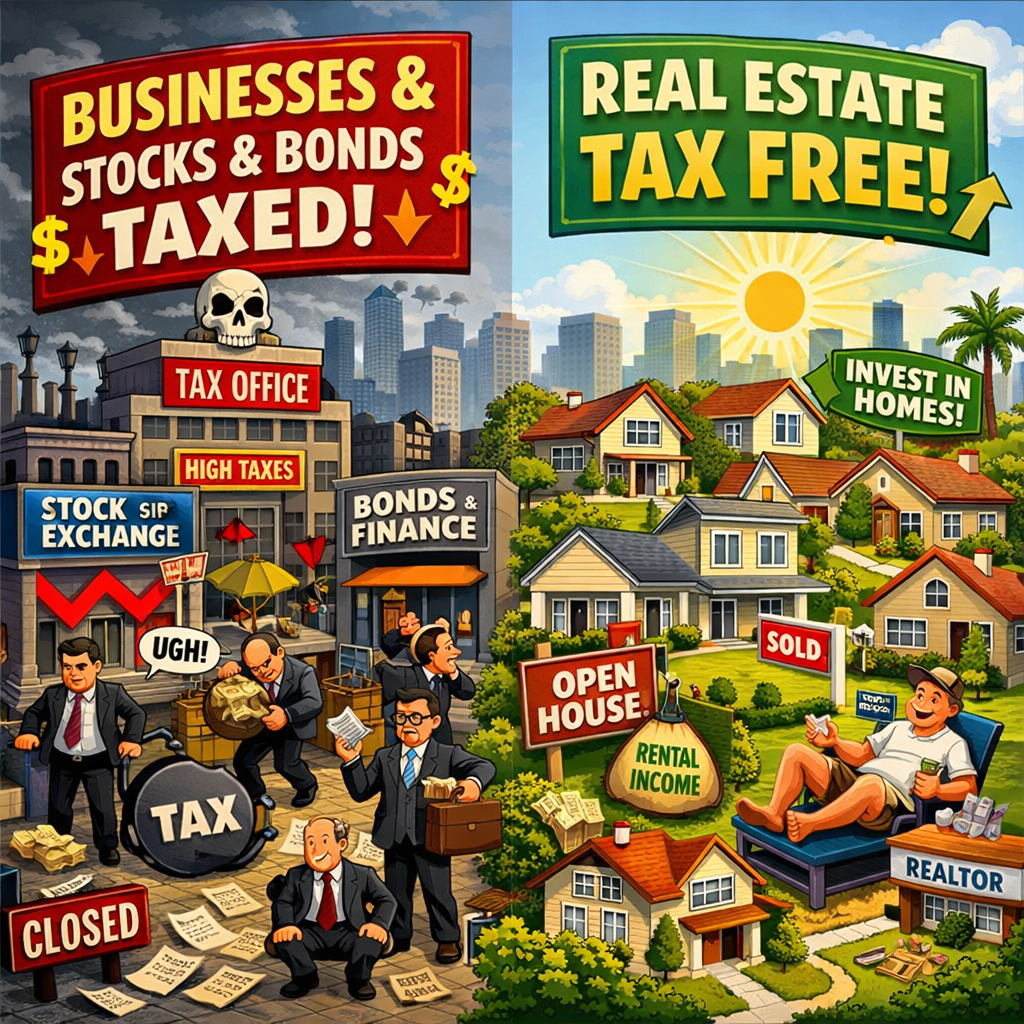
By Brian Gass, Executive Director, Real Housing Reform Initiative In 2021, Washington State passed a 7% capital gains tax on profits over $250,000 from the sale of stocks, bonds, ...
By Brian Gass, Executive Director, Real Housing Reform Initiative In May 2025, Washington State passed the largest tax increase in state history: a $9.4 billion revenue package ...
By Brian Gass, Executive Director, Real Housing Reform Initiative When most Washington residents think about state taxes, they think about the ongoing debates over income taxes, ...
An investigation into how Washington's landmark education funding case became the state's largest property tax increase—and why schools still say they're broke The Constitutional ...
Real Record™ tracks what governments say about taxes, what they promise the money will fund, and what they actually deliver. Our coverage includes: